

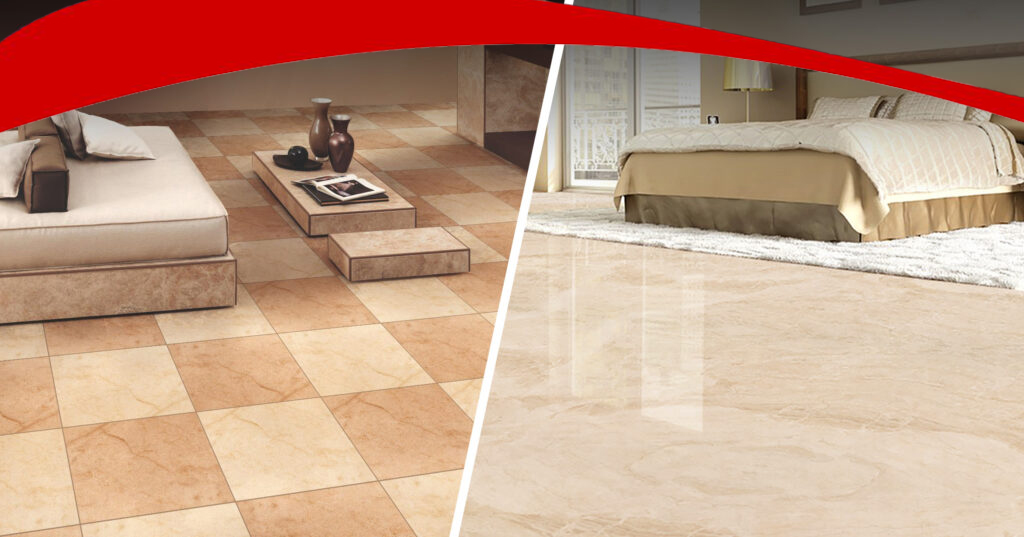
A Brief Introduction To Tiles & Marbel Laying
What is Tiles & Marbel Laying?
Tiles and marble laying is a skilled trade involved in the installation of tiles and marble on various surfaces such as floors, walls, countertops, and other architectural elements. It requires precision, attention to detail, and a good understanding of materials and techniques. Here's a brief introduction to the process:
Preparation: The first step in tile and marble laying is preparing the surface. This involves ensuring that the surface is clean, flat, and free from any debris or contaminants. Depending on the material being installed, the surface may need to be leveled or primed.
Measurement and Planning : Accurate measurement and careful planning are crucial for a successful installation. This includes determining the layout, calculating the number of tiles or marble pieces needed, and identifying any cuts or special arrangements required.
Cutting: Tiles and marble often need to be cut to fit around edges, corners, and obstacles. This can be done using various tools such as tile cutters, wet saws, or angle grinders. Precision is key to achieving clean and accurate cuts.
Adhesive Application: Once the cutting is complete, adhesive is applied to the surface using a trowel. The type of adhesive used depends on factors such as the type of tile or marble, the substrate, and the environment (e.g., wet or dry areas).
Laying Tiles/Marble: Tiles or marble pieces are carefully placed onto the adhesive, following the planned layout. Spacers may be used to ensure consistent spacing between tiles. It's essential to work quickly and accurately to prevent the adhesive from drying before all tiles are laid.
Grouting: After the tiles or marble are set in place and the adhesive has cured, grout is applied to fill the gaps between them. Grout comes in various colors to match or contrast with the tiles or marble. Excess grout is wiped away with a damp sponge, and the grout is left to cure.
Sealing (optional): Depending on the type of tile or marble and the application, sealing may be necessary to protect the surface from stains, water damage, and other forms of wear and tear. Sealant is applied after the grout has cured and allowed to dry according to the manufacturer's instructions.
Finishing Touches: Once the sealing is complete (if necessary), any remaining cleanup is done, and the area is inspected for any imperfections or areas needing touch-ups.