

Solar Panels & Security Systems

A Brief Introduction To Solar Panels & Security Systems

What is Solar power and Security

Solar power and security can be approached from several angles:
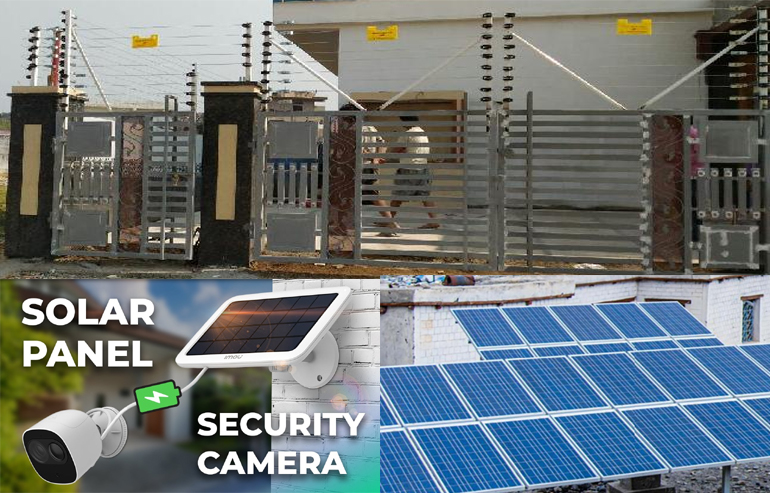
Physical Security: This involves protecting solar power installations from physical threats such as theft, vandalism, and sabotage. This can include installing security fences, surveillance cameras, and lighting to deter intruders, as well as implementing access control measures to limit who can enter the premises.
Cybersecurity: Solar power systems are increasingly connected to the internet for monitoring and control purposes. Ensuring the cybersecurity of these systems is crucial to prevent unauthorized access, data breaches, and potential disruptions to power generation. This involves implementing firewalls, encryption, intrusion detection systems, and regular software updates to protect against cyber threats.
Grid Security: Solar power is often integrated into the larger electrical grid, where it can be vulnerable to cyberattacks or physical attacks that target critical infrastructure. Ensuring the security of the grid is essential to prevent widespread power outages and maintain the reliability of electricity supply.
Environmental Security: Solar power installations can have environmental impacts, such as habitat disruption or water usage in the case of solar thermal power plants. Ensuring the environmental sustainability of solar power projects is important for long-term security and resilience.
Supply Chain Security: Ensuring the security of the supply chain for solar power components is important to prevent counterfeit or substandard products from entering the market, which could compromise the performance and safety of solar power installations.
Overall, ensuring the security of solar power installations involves a comprehensive approach that addresses physical, cyber, environmental, and supply chain risks to ensure the reliable and resilient operation of solar power systems.


The working conditions are also the physical manifestation of a community or an organisation’s brand, and many gated communities use it to recruit and retain both families and clients. In addition, concern for the personal experience is a growing trend or living standard within the venture/community. Physical space management has an important role to play in that.


Types of Solar Power and their Uses.

There are several types of solar power technologies, each with its unique characteristics and applications:

Photovoltaic (PV) Solar Power: PV solar power systems convert sunlight directly into electricity using solar panels made of semiconductor materials such as silicon. These systems are versatile and can be used in various applications, including residential, commercial, and utility-scale solar installations. PV systems can be grid-tied, off-grid, or hybrid, and they can power anything from small electronic devices to entire buildings.

Floating Solar Power: Floating solar power installations are built on bodies of water, such as reservoirs, lakes, or ponds. These installations can help to optimize land use and reduce water evaporation while generating electricity. Floating solar arrays can be installed on both freshwater and saltwater bodies and are suitable for various applications, including water treatment plants, irrigation systems, and hydropower reservoirs.

As Building-Integrated Photovoltaics (BIPV): BIPV systems integrate solar panels into building materials such as roofs, windows, or facades, allowing buildings to generate electricity while maintaining their aesthetic appeal. BIPV systems can help to offset energy consumption in buildings and reduce the demand for traditional building materials.


Solar-powered fencing refers to perimeter security system that utilizes solar energy to power electric fences. These fences are typically used for security purposes to deter and prevent unauthorized entry into a property.